

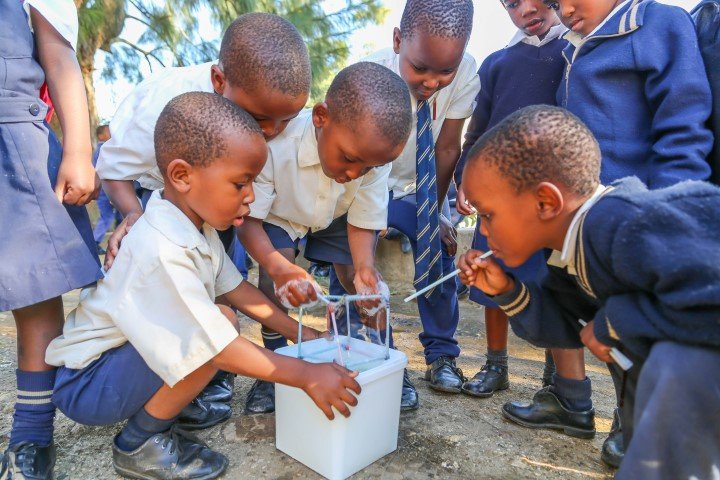

Education is a fundamental human right, yet millions of children in Africa face significant barriers to accessing quality learning. Improving children’s education in Africa is critical for personal development, economic growth, and social equality across the continent.
This blog post explores the challenges, progress, and opportunities for enhancing education for children in Africa.
The Current State of Education in Africa
Education in Africa varies widely depending on the region, country, and community. Some key points:
UNESCO reports that over 60 million children of primary school age are out of school in Sub-Saharan Africa.
Gender disparities persist: girls are less likely than boys to attend school in some regions.
Rural areas often face shortages of qualified teachers, classrooms, and learning materials.
Despite challenges, African countries have made progress, with increased enrollment rates over the past decade.
Challenges Facing Children’s Education
1. Poverty
Many families cannot afford school fees, uniforms, or books. Children often have to work to support their families instead of attending school.
2. Inadequate Infrastructure
Schools in rural areas often lack classrooms, desks, or electricity, making it hard for children to study effectively.
3. Teacher Shortages
Many regions have insufficient numbers of trained teachers, which reduces the quality of education and student engagement.
4. Gender Inequality
Cultural and social norms in some communities limit girls’ access to education, leading to high dropout rates.
5. Conflict and Displacement
Children living in conflict zones may miss years of schooling or have no access to safe learning environments.
Progress and Success Stories
Despite these challenges, there are inspiring success stories across Africa:
Kenya: Free primary education programs have increased enrollment and literacy rates.
Rwanda: Investment in digital classrooms and teacher training has improved learning outcomes.
Nigeria: NGOs like “Education Cannot Wait” provide educational resources in conflict-affected areas.
South Africa: Focus on STEM education and scholarships for underprivileged children.
These initiatives show that progress is possible when governments, communities, and NGOs work together.
Opportunities for Improvement
To enhance children’s education in Africa, experts recommend:
Investing in Infrastructure: Build more classrooms, provide clean water, electricity, and internet access.
Teacher Training: Increase the number of qualified teachers and offer continuous professional development.
Gender Equality Programs: Encourage girls’ education through scholarships and community awareness campaigns.
Technology in Education: E-learning and digital tools can help overcome barriers in remote areas.
Partnerships with NGOs: Collaboration between governments, NGOs, and private sectors can provide sustainable solutions.
Why Education Matters
Educating children in Africa is not just about literacy; it’s about:
Breaking the cycle of poverty
Empowering girls and vulnerable children
Driving economic development
Promoting social stability and equality
Every child who goes to school has the potential to contribute to a brighter future for themselves and their communities.
Final Thoughts
Improving children’s education in Africa requires collective action, investment, and innovation. While challenges are significant, the progress made in recent years is encouraging. By focusing on access, equality, and quality, Africa can ensure that all children have the opportunity to learn, grow, and succeed.
Education is not just a right—it’s a tool for transformation.
Frequently Asked Questions
Why is children’s education a challenge in Africa?
Poverty, lack of infrastructure, teacher shortages, gender inequality, and conflict prevent many children from attending school.
Which African countries have made progress in education?
Kenya, Rwanda, Nigeria, and South Africa have launched initiatives improving enrollment and learning outcomes.
How can NGOs help African children’s education?
By providing funding, teaching resources, scholarships, digital classrooms, and teacher training programs.
Education is a fundamental human right and a powerful force for economic and social development. Yet, millions of children in Africa still struggle to access quality education due to poverty, infrastructure gaps, gender disparities, and conflict.
In this blog post, we’ll explore reliable data on education in Africa, key challenges, success stories, and opportunities for meaningful change.
📊 Current Education Statistics in Africa
📉 High Out‑of‑School Rates
About 244 million children and youth (ages 6–18) are out of school globally, and a large share lives in Africa.
In sub‑Saharan Africa, more than 98 million children aged 6–18 are not enrolled in school.
Of this group, girls face higher exclusion rates than boys, especially in primary and secondary education.
In many low‑income African nations, out‑of‑school rates approach or exceed 30%, significantly higher than in wealthier regions.
📚 Rural & Gender Inequalities
Across sub‑Saharan Africa, girls are less likely than boys to remain in school, especially at higher grade levels.
In West and Central Africa, certain countries see almost every second child of primary school age out of school due to systemic challenges.
🧠 Learning Outcomes
Access does not always equal learning: many children who are enrolled still struggle with basic literacy and numeracy skills — a core component of the global learning crisis.
🚧 Major Challenges Facing Education in Africa
1️⃣ Poverty and Economic Barriers
Many families cannot afford tuition, books, or uniforms — leading children to work instead of learn.
2️⃣ Insufficient Infrastructure
Rural schools often lack electricity, clean water, toilets, textbooks, and classrooms, negatively impacting attendance and performance.
3️⃣ Teacher Shortages
Up to seven out of ten countries in Africa face acute teacher shortages, making it hard to deliver quality classroom instruction.
4️⃣ Gender Disparity
Although progress has been made globally, girls in sub‑Saharan Africa remain more likely to miss out on education than boys.
5️⃣ Conflict and Displacement
Armed conflict, social unrest, and displacement disrupt schooling — closing schools and forcing children into work or migration.
🌟 Progress & Success Stories
Despite significant challenges, progress is visible:
📈 Increased Enrollment
In recent years, national programs across Africa have boosted enrollment rates in primary education.
Some regions now see more children accessing school than a decade ago.
🏫 Expanded Programs
Projects by governments and NGOs — including building classrooms, training teachers, and introducing digital tools — are improving learning opportunities.
📊 Data‑Driven Support
UNESCO and UNICEF use data to inform policies and measure progress toward Sustainable Development Goal 4: Quality Education for All.
🤝 Opportunities to Improve Education
To transform the future of Africa’s children, experts recommend:
✔ Investing in rural school infrastructure
✔ Increasing teacher training & support
✔ Promoting girls’ education with targeted scholarships
✔ Using technology to expand remote learning
✔ Partnering with NGOs and global agencies for funding and innovation
🌍 Why Education Matters
Education empowers individuals and strengthens communities by:
Reducing poverty
Increasing employment opportunities
Promoting gender equality
Enhancing health and well‑being
Supporting sustainable economic growth
The statistics show both urgent challenges and real potential. While millions of children are denied schooling — especially in sub‑Saharan Africa — targeted efforts, innovative solutions, and international cooperation are moving progress forward.
Every child educated is a step toward a brighter future for all of Africa.
Explore children’s education in Africa, its challenges, progress, and opportunities. Learn how communities and NGOs are improving access to learning.
Primary Keyword:
Africa children education
Secondary Keywords:
Children education in Africa
African education challenges
Education opportunities Africa
Girls education Africa
Africa school enrollment
Long-Tail Keywords:
How to improve children’s education in Africa
Challenges of education in African countries
Africa education programs for children
Impact of NGOs on African education
Solutions for African children’s education


0 Comments