


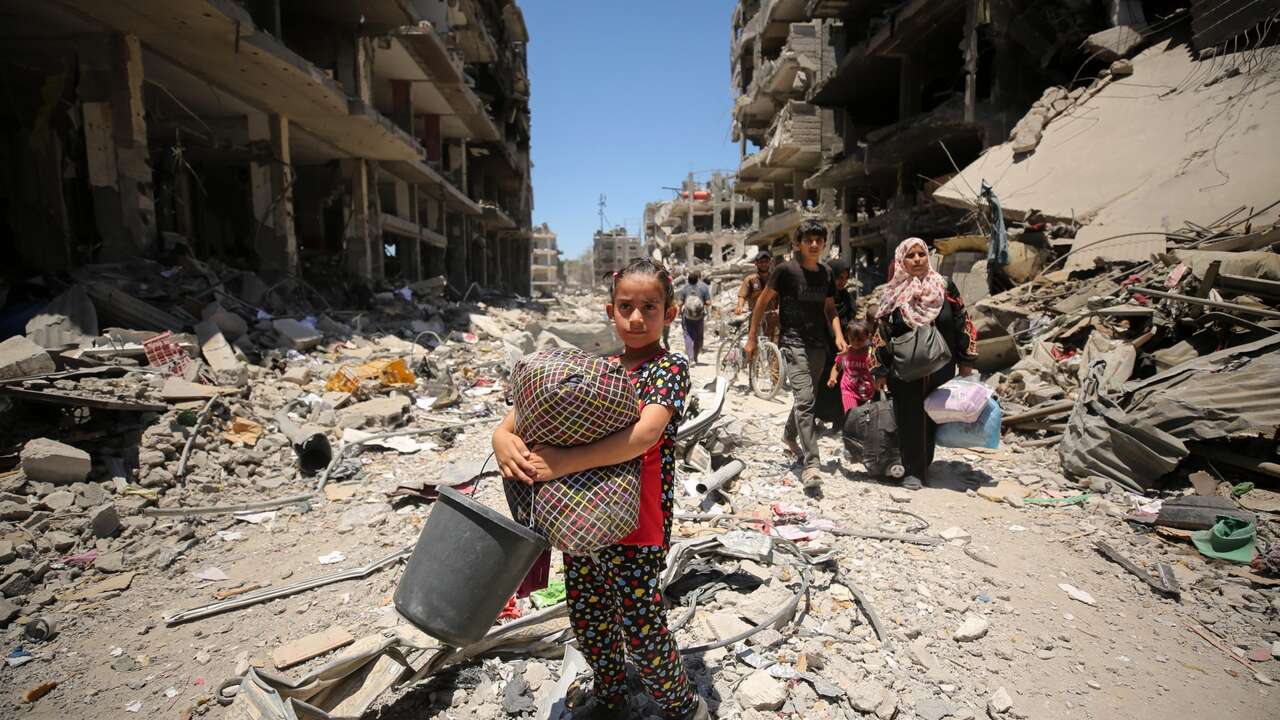
The Gaza children’s food crisis has emerged as one of the most urgent humanitarian emergencies in the world today. Ongoing conflict, limited access to essential supplies, and economic collapse have pushed millions of families into severe food insecurity.
Children are the most affected. Many are facing daily hunger, malnutrition, and long-term health risks. Without immediate global intervention, the situation could worsen into a full-scale famine.
In this article, we explore the causes, impacts, and solutions to this crisis—while providing insights into how the world can respond.
Understanding the Gaza Food Crisis
What Is Happening in Gaza?


Gaza is one of the most densely populated regions in the world. Years of political instability and conflict have weakened its economy and infrastructure. However, recent escalations have made food access critically limited.
Food insecurity in Gaza is driven by three main factors:
Availability – Not enough food entering or being produced
Accessibility – Difficulty reaching food distribution points
Affordability – Prices far beyond what families can pay
Even when food exists, many families cannot access it.
Key Causes of the Crisis
1. Ongoing Conflict
Military operations have destroyed farms, fisheries, and food storage facilities. Roads and supply routes are damaged, making food distribution extremely difficult.
2. Blockade and Restricted Access


Restrictions on imports limit essential goods such as:
Food supplies
Fuel
Agricultural equipment
This has drastically reduced food availability and increased dependency on aid.
3. Economic Collapse
Unemployment rates are extremely high. Many families have no steady income, making even basic food unaffordable.
4. Mass Displacement
Thousands of families have been forced to leave their homes, often without access to kitchens, clean water, or food storage.
Impact on Children
Severe Malnutrition


Children in Gaza are facing alarming levels of malnutrition, including:
Stunting (low height for age)
Wasting (low weight for height)
Micronutrient deficiencies
These conditions can cause lifelong health problems.
Psychological Effects
Hunger impacts not only physical health but also mental well-being. Children often experience:
Anxiety and fear
Emotional distress
Difficulty concentrating
Education Disruption
Many children are unable to attend school due to:
Hunger
Displacement
Unsafe conditions
Without proper nutrition, learning becomes extremely difficult.
Daily Life for Families


For most families, daily life revolves around finding food.
Common survival strategies include:
Skipping meals
Eating once a day or less
Relying entirely on food aid
Meals often lack protein, fruits, and essential nutrients.
Humanitarian Aid Efforts
Role of Aid Organizations


International organizations are providing:
Emergency food packages
Nutritional supplements
Community kitchens
These efforts are lifesaving—but not enough.
Challenges in Delivering Aid
Aid organizations face major obstacles:
Limited access routes
Security risks
Infrastructure damage
As a result, aid often cannot reach everyone in need.
Global Response
Rising International Concern


The crisis has sparked global concern, with:
Governments calling for action
NGOs increasing relief efforts
Social media raising awareness
Calls for Action
Key demands include:
Immediate ceasefire
Safe humanitarian corridors
Increased funding for aid
Long-Term Consequences
If the crisis continues, the long-term impact could be devastating:
Health Crisis
Chronic malnutrition leads to lifelong illness and weakened immunity.
Lost Generation
Children without proper nutrition and education face limited futures.
Economic Decline
A weakened population cannot sustain economic growth.
Solutions and Way Forward
Immediate Actions
Increase humanitarian aid
Ensure safe delivery routes
Expand child nutrition programs
Long-Term Solutions
Rebuild agriculture and infrastructure
Support local food production
Improve employment opportunities
How You Can Help
Even from afar, you can make a difference:
Donate to trusted organizations
Share verified information
Advocate for humanitarian policies
Small actions can create global impact.
Conclusion
The Gaza children’s food crisis is not just a regional issue—it is a global humanitarian emergency. Millions of children are suffering from hunger, malnutrition, and uncertainty.
Addressing this crisis requires urgent, coordinated action from governments, organizations, and individuals worldwide.
The future of an entire generation depends on what happens next.
SEO Keywords
Gaza children food crisis, Gaza hunger crisis 2026, child malnutrition Gaza, food insecurity Palestine, humanitarian crisis Gaza children, Gaza aid shortage, global hunger crisis, emergency food Gaza


0 Comments