The ongoing conflict in Sudan has created one of the most severe humanitarian crises in the world today. Among those suffering the most are millions of children who face hunger, displacement, lack of education, and limited access to healthcare.
Since the outbreak of fighting in 2023 between the Sudanese Armed Forces and the Rapid Support Forces, the situation for civilians has worsened dramatically.
Children, who are the most vulnerable members of society, are experiencing the devastating consequences of war.
The Humanitarian Crisis in Sudan
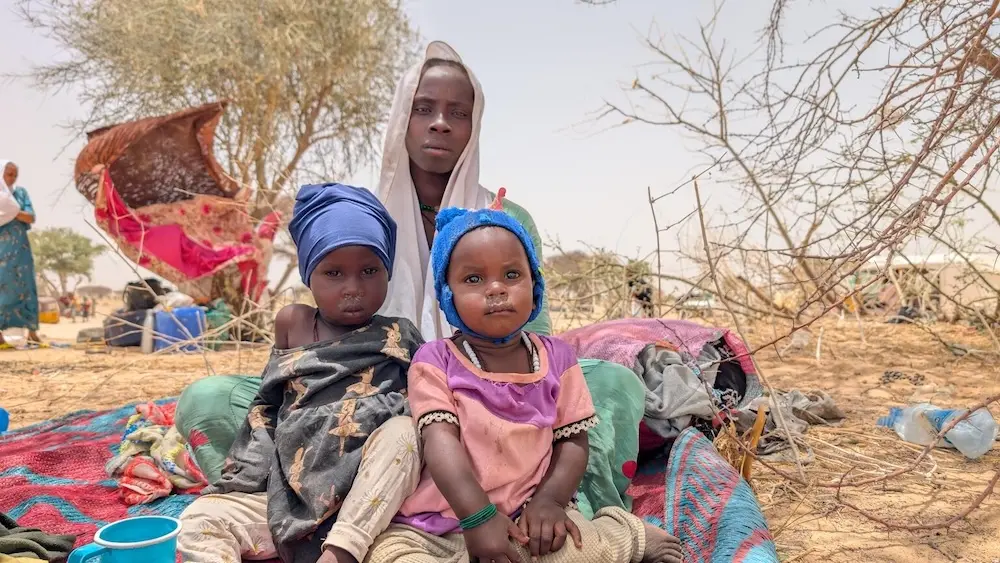
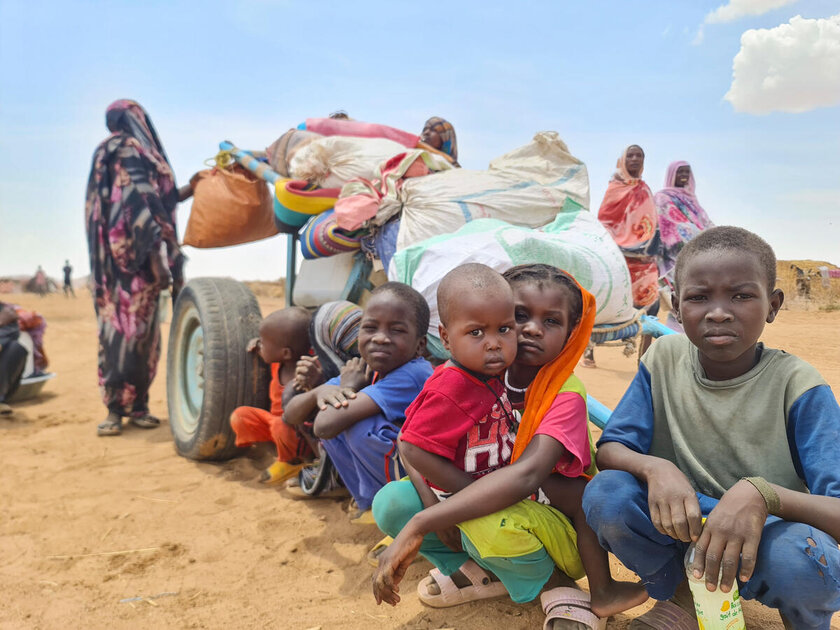
The conflict has forced millions of families to leave their homes. Many have become refugees or internally displaced persons.
According to humanitarian organizations, large numbers of children are now living in temporary shelters and refugee camps where access to food, clean water, and healthcare is extremely limited.
Cities such as Khartoum and regions like Darfur have experienced intense violence, making everyday life unsafe for families.
As a result, children have lost their homes, schools, and sometimes even their families.
Hunger and Malnutrition
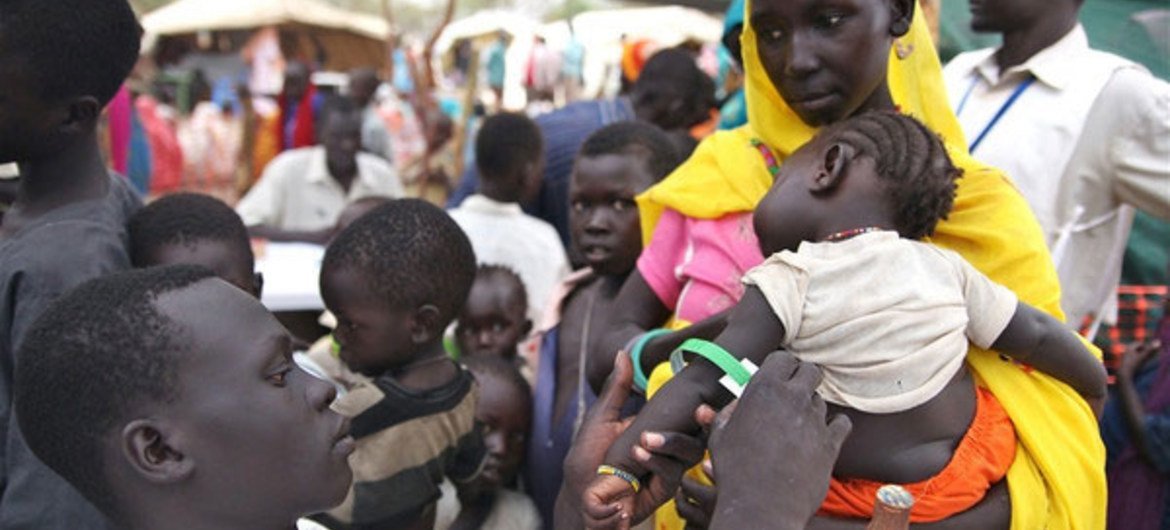
One of the most serious problems facing Sudanese children is malnutrition.
Food shortages have increased due to disrupted farming, damaged supply chains, and the displacement of communities.
Many children are suffering from acute hunger, which can cause:
Weak immune systems
Delayed physical development
Long-term health problems
Humanitarian organizations such as UNICEF and the World Food Programme are working to provide emergency food assistance.
However, the scale of the crisis makes aid delivery extremely challenging.
Lack of Education
Education is another major casualty of the conflict.
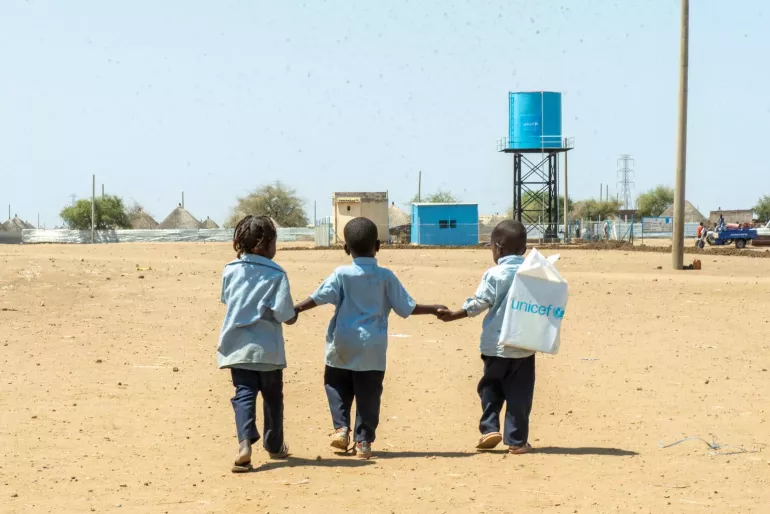
Thousands of schools across Sudan have been closed or destroyed due to violence.
Children who should be learning in classrooms are instead living in camps or unsafe environments.
Without access to education, an entire generation risks losing opportunities for a better future.
Health Risks for Children
Children in conflict zones face serious health risks.
Hospitals and clinics have been damaged or forced to close due to the fighting. This means that children cannot easily receive treatment for illnesses or injuries.
Diseases such as malaria, cholera, and respiratory infections are becoming more common in overcrowded camps.
Organizations like Médecins Sans Frontières are providing medical care, but resources remain limited.
Psychological Impact of War
War does not only affect children physically; it also impacts their mental health.
Many children in Sudan have witnessed violence, lost family members, or experienced displacement.
These traumatic experiences can lead to:
Anxiety
Depression
Long-term psychological stress
Providing psychological support and safe environments is essential to help children recover.
International Aid Efforts
Several global organizations are trying to support children and families in Sudan.
These include:
UNICEF
World Food Programme
Médecins Sans Frontières
Their efforts include providing:
Emergency food supplies
Medical assistance
Clean water
Temporary education programs
Despite these efforts, much more support is needed.
Why the World Should Pay Attention
The suffering of children in Sudan is not just a regional issue—it is a global humanitarian concern.
When children are denied safety, education, and health, the consequences affect future generations.
Raising awareness about the crisis is an important step toward mobilizing international support and humanitarian assistance.
The conflict in Sudan has created an extremely difficult situation for millions of children.
They are facing hunger, displacement, interrupted education, and severe health risks.
While humanitarian organizations continue to provide assistance, the scale of the crisis means that more global attention and support are urgently needed.
Protecting children during times of conflict is essential for building a more peaceful and hopeful future.
Sudan children crisis
Sudan humanitarian crisis
Sudan war impact on children
Sudan refugee children
Sudan conflict humanitarian aid


0 Comments